
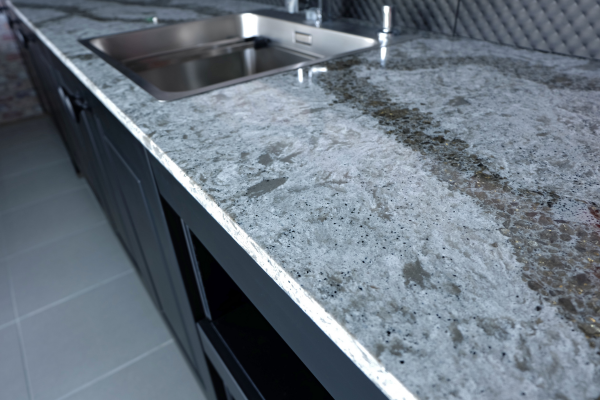
Quartz countertops are supposed to be the “easy” choice—durable, stylish, and low maintenance compared to natural stone. And for the most part, they are. But in a coastal setting like Sullivan’s Island, even quartz can start to show signs of wear. Cloudy haze, dull patches, fine scratches, or small chips often appear gradually, making the surface look tired no matter how often it’s cleaned.
If that sounds familiar, you’re not alone. This guide breaks down what quartz countertop restoration in Sullivans Island actually involves, why coastal homes face unique challenges, what you can safely handle yourself, and when professional restoration is the smarter investment.
Why Quartz Countertops Need Restoration (Yes, Even “Low Maintenance” Quartz)
Quartz is durable, but it is not indestructible. Most quartz countertops are engineered stone—natural quartz particles combined with resins and pigments. While this creates a strong, consistent surface, it also means quartz can react poorly to certain cleaners, heat exposure, and repeated abrasion over time.
Countertop restoration acts as a reset. It removes residue, evens out surface wear, and addresses minor damage so the countertop looks clean, uniform, and intentional again.
The Myth: “Quartz Never Stains”
Quartz is stain-resistant, not stain-proof. Think of it like a rain jacket—it works well in light conditions, but prolonged exposure eventually finds weak points. Oils, spices, dyes, and harsh chemicals can discolor the resin if spills sit too long or aggressive cleaners are used repeatedly.
Common Signs Your Quartz Needs Help
Signs that countertop restoration may be beneficial include:
- Cloudy haze that doesn’t wipe away
- Dull or worn-looking areas
- Fine scratches visible under light
- Sticky or filmy feel after cleaning
- Small chips along edges or around the sink
- Darkened or yellowed spots in high-use areas
If your countertop looks clean but never truly bright, the issue is often residue buildup or micro-scratching—both highly responsive to restoration.
What Makes Sullivans Island Different for Quartz Surfaces
Coastal living comes with unique environmental stressors. Homes in Sullivans Island deal with humidity, salt air, sand, high sunlight exposure, and often higher traffic from guests or short-term rentals. Quartz performs well in these environments, but it requires smarter care and occasional restoration to maintain its appearance.
Sand Is Like Sandpaper
Beach sand is abrasive. Even small amounts carried in on hands, bags, or feet can create micro-scratches—especially when wiped across the surface with pressure. Over time, the reflective finish dulls without obvious damage.
High-Traffic Kitchens and Short-Term Rentals
Rental properties and frequently hosted homes experience more frequent cleaning, often with the wrong products. Abrasive pads, degreasers, and acidic solutions can create a cycle of haze and dullness that only proper restoration resolves.
Quartz Restoration vs. Replacement: How to Decide
Many quartz issues look worse than they actually are. Restoration is far less disruptive and significantly more affordable than replacement when the problem is surface-level. The key is understanding what type of damage you’re dealing with.
When Restoration Is the Smart Move
Restoration is typically ideal for:
- Cloudy film or residue
- Light scratching
- Dull or uneven sheen
- Small chips
- Minor discoloration from oils or cleaners
If the countertop is structurally sound but cosmetically compromised, countertop restoration is usually the best first step.
When Replacement Might Be Necessary
Replacement may be required if the slab has structural cracks, major seam failure, severe heat damage, or deep resin discoloration that cannot be corrected at the surface. A reputable professional will be clear when restoration is unlikely to meet expectations.
What “Quartz Restoration” Actually Includes
Quartz restoration is a process, not a single product. Depending on the condition of the surface, it may involve deep cleaning, decontamination, scratch reduction, polishing, and localized repairs. The goal is a consistent finish across the entire countertop—not just added shine.
Deep Cleaning and Decontamination
This step removes what routine cleaning leaves behind: grease films, cleaner residue, hard-water deposits, and embedded grime. The process is methodical and controlled, similar to professional auto detailing rather than basic cleaning.
Scratch Reduction and Surface Refinement
Light scratches and dullness are often caused by micro-abrasion. Professionals use engineered-stone–specific abrasives and polishing systems to level the surface evenly so light reflects consistently again.
Chip Repair and Edge Rebuilds
Chips commonly occur along sink edges, corners, and near cooktops. Restoration uses color-matched fillers and precise shaping to rebuild edges so repairs blend into the pattern rather than drawing attention.
Most Common Quartz Problems (And What Causes Them)
Understanding the cause helps avoid repeating the same issue with the wrong cleaner or technique.
Cloudy Haze and Sticky Film
Usually caused by cleaner residue, soap film, heavy degreasers, or hard water. These layers accumulate gradually, muting the surface until it looks permanently dull.
Dull Spots and “Etch-Like” Marks
Quartz doesn’t etch like marble, but harsh chemicals or abrasive scrubbing can create uneven sheen that resembles etching. Countertop restoration focuses on leveling the finish so the surface looks uniform again.
Yellowing or Darkened Areas
Discoloration may come from oils, dyes, rubber-backed mats, or prolonged UV exposure. Some issues are surface-level; others involve resin discoloration. Proper testing determines what can be improved.
Heat Marks Near the Stove
Direct heat can stress the resin, leaving faint shadows or dull patches. Some heat damage can be improved, while more severe cases may be permanent.
DIY Fixes vs. Professional Restoration
Some quartz issues can be improved with careful DIY methods—but knowing where to stop matters. Over-aggressive cleaning often turns minor problems into larger ones.
Safe DIY: What Actually Works
Use pH-neutral quartz cleaners, microfiber cloths, and gentle pressure. For grease, warm water with mild dish soap works if thoroughly rinsed and dried. Quartz-safe degreasers can help when used sparingly.
High-Risk DIY: What Can Make It Worse
Avoid vinegar, bleach, abrasive powders, scouring pads, and prolonged dwell times with harsh disinfectants. “Magic erasers” are micro-abrasive and can permanently alter sheen. Persistent haze after multiple cleaning attempts is a sign to stop and seek professional restoration.
The Quartz Restoration Process (Step-by-Step)
A professional quartz countertop restoration in Sullivans Island typically follows a structured sequence.
| Section | Description |
|---|---|
| Inspection and Testing | The process starts with diagnosis—determining whether the issue is residue, scratching, heat stress, or discoloration. Small test areas ensure the correct approach before full treatment. |
| Preparation and Protection | Surrounding surfaces are protected, and the workspace is controlled for cleanliness and precision. Countertop restoration should feel like a careful craft, not a demolition. |
| Repair, Refinement, and Final Polish | Chips are repaired first, followed by staged surface refinement and final polishing to match the intended sheen—matte, satin, or gloss. Consistency across the surface is the primary goal. |
How Long Restoration Takes (And What Impacts It)
Most projects are completed in a single visit. Time varies based on countertop size, layout complexity, edge profiles, and severity of wear. Islands with waterfall edges require more labor due to increased surface area and angles.
What It Costs in Sullivans Island (Pricing Factors)
Pricing depends on scope rather than square footage alone. Understanding cost drivers helps you evaluate quotes accurately.
Square Footage and Layout Complexity
More surface area increases labor time, but complexity matters just as much. Cutouts, backsplashes, corners, and waterfall edges all require additional precision.
Type of Damage and Number of Repairs
Multiple chips, seam touch-ups, heat damage, and widespread haze increase restoration time and cost. Pricing typically reflects the number of targeted problem areas.
How to Maintain Restored Quartz So It Stays Sharp
With proper care, countertop restoration results can last for years—even in a coastal environment.
Daily Cleaning Routine
Wipe spills promptly, clean with a pH-neutral quartz cleaner or mild soap and water, rinse if needed, and dry with a microfiber cloth. Drying is especially important in humid conditions to prevent film buildup.
Preventative Habits That Matter
Use trivets and cutting boards, avoid rubber-backed mats unless quartz-safe, and limit harsh disinfectants. Follow manufacturer dwell times carefully.
Rental and Guest Turnover Checklist
Keep the correct cleaner accessible, remove abrasive sponges, and leave brief care instructions. A few simple guardrails prevent most damage patterns.
How to Choose a Quartz Restoration Pro in Sullivans Island
Local experience matters. A qualified professional understands both engineered quartz and the effects of coastal conditions.
Questions to Ask Before You Book
- How do you determine the cause of the issue?
- Can you match my existing sheen?
- What products and tools do you use for engineered quartz?
- How are chip repairs color-matched?
- What maintenance changes do you recommend after restoration?
Specific, clear answers indicate expertise.
Red Flags to Watch For
Be cautious of vague explanations, promises of unrealistic results for severe heat damage, or suggestions of harsh chemicals without testing. Quartz restoration requires precision and consistency.
Conclusion
Quartz countertop restoration in Sullivans Island is often the ideal middle ground between living with worn surfaces and committing to full replacement. Many issues that look permanent—cloudiness, dullness, light scratching—are actually surface-level problems that respond well to proper restoration.
With accurate diagnosis, careful technique, and smarter maintenance habits, quartz countertops can regain a bright, consistent appearance and stay that way for years.
Frequently Asked Questions by Sullivan’s Island Residents
‣ Can quartz countertops be polished like granite?
Yes, but the process is different. Quartz polishing focuses on controlled refinement and finish matching rather than aggressive grinding.
‣ Why does my quartz look cloudy after cleaning?
Usually due to cleaner residue or soap film, often worsened by hard water. Proper decontamination typically resolves it.
‣ Will restoration remove deep scratches or chips completely?
Light scratches can often be reduced significantly, and chips can be repaired. Deep damage may remain faintly visible depending on location and pattern.
‣ Is discoloration on quartz permanent?
Not always. Some discoloration is surface contamination, while resin discoloration may be more limited in improvement. Testing is key.
‣ How can I protect quartz in a beach home like Sullivans Island?
Use microfiber cloths, avoid abrasives, rinse and dry after cleaning, use trivets and cutting boards, and limit harsh cleaners—especially in homes with frequent guests.