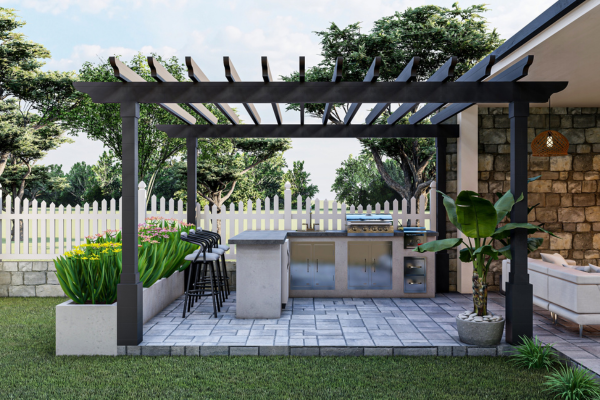
When designing an outdoor kitchen, choosing the right materials is crucial. The elements—sun, rain, and humidity—can take a toll on traditional cabinetry. To ensure that your outdoor kitchen remains both functional and beautiful, it’s essential to opt for materials that won’t warp, rust, or degrade over time. Weatherproof outdoor kitchen cabinets not only enhance the longevity of your space but also reduce maintenance and repair costs.
Why Weatherproof Cabinets Matter
Outdoor kitchens are an extension of your home, providing a place to entertain, cook, and relax. However, unlike indoor kitchens, they face the harsh realities of nature. Constant exposure to moisture, heat, and UV rays can damage standard cabinets made of wood or metal. Choosing weatherproof outdoor kitchen cabinets is vital for several reasons:
- Durability: Weatherproof cabinets are built to withstand the elements, ensuring they don’t warp, crack, or rust over time.
- Low Maintenance: With the right materials, you’ll spend less time on repairs and more time enjoying your outdoor space.
- Aesthetic Appeal: Well-chosen materials will keep your outdoor kitchen looking pristine and stylish, even after years of use.
Now, let’s dive into some of the best materials for outdoor kitchen cabinets that won’t warp or rust.
Best Materials for Weatherproof Outdoor Kitchen Cabinets
Stainless Steel: The Ultimate Outdoor Cabinet Solution
Stainless steel is one of the most popular materials for outdoor kitchen cabinets, and for good reason. It’s resistant to rust, corrosion, and the effects of heat and moisture. Here’s why stainless steel is an excellent choice:
- Weather Resistance: Stainless steel can withstand the harshest elements, including rain, humidity, and intense sunlight. It won’t rust, warp, or fade like other materials.
- Longevity: With proper care, stainless steel cabinets can last for decades, making them a long-term investment.
- Sleek, Modern Look: Stainless steel gives your outdoor kitchen a sleek, modern aesthetic that complements any décor.
- Low Maintenance: Cleaning stainless steel is simple. A quick wipe down with a damp cloth is usually enough to maintain its shiny surface.
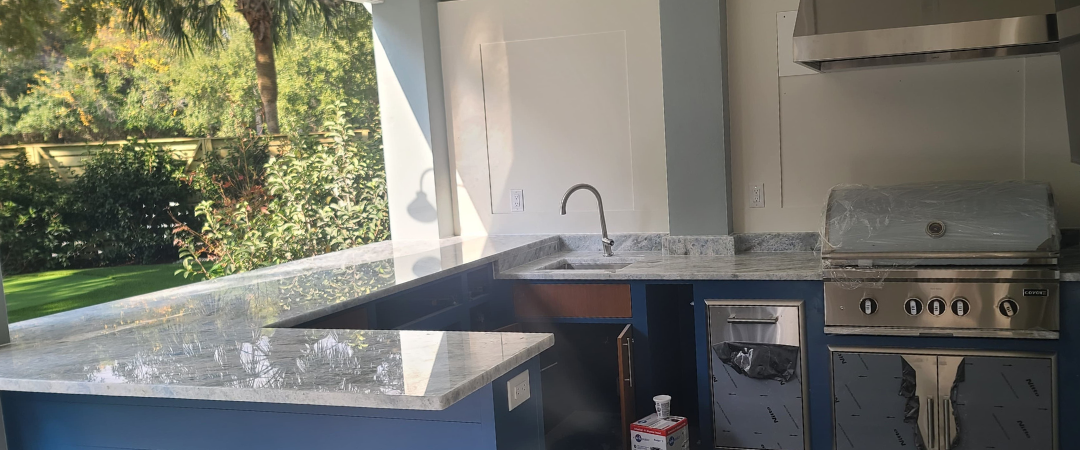
Polyethylene: A Durable and Low-Maintenance Option
Polyethylene, often used in outdoor furniture and cabinetry, is another excellent material for outdoor kitchen cabinets. It is a synthetic polymer that is highly durable and resistant to weather damage.
- Waterproof: Polyethylene does not absorb water, making it ideal for humid climates and rainy environments.
- UV Resistant: It won’t fade or discolor when exposed to the sun, ensuring your cabinets look great for years to come.
- No Warping or Cracking: Unlike wood, polyethylene doesn’t warp or crack under the pressure of extreme temperatures.
- Lightweight: Polyethylene is lighter than metal, making it easier to work with during installation.
Marine-Grade Polymer: Built for Extreme Conditions
Marine-grade polymer (MGP) is a top-tier material designed specifically to withstand harsh conditions. Initially used for boat construction, MGP is now gaining popularity in outdoor kitchen cabinetry.
- Extreme Durability: MGP is engineered to resist the most extreme weather conditions, from saltwater and humidity to direct sunlight and high temperatures.
- Non-Rusting: MGP doesn’t rust, corrode, or degrade, making it ideal for coastal areas or regions with high humidity.
- Aesthetic Options: Available in a range of colors and finishes, MGP allows you to achieve the perfect look for your outdoor kitchen.
While marine-grade polymer is a bit more expensive than polyethylene, its durability and resilience are well worth the investment.
Treated Wood: Classic Look with Weather Resistance
For homeowners who love the natural beauty of wood, treated wood is an option that combines aesthetics with durability. When properly treated, wood can withstand outdoor conditions without warping or rotting.
- Pressure-Treated Lumber: Pressure-treated wood is treated with chemicals to resist rot and insect damage. This makes it a great choice for outdoor kitchens.
- Cedar and Redwood: Cedar and redwood are naturally resistant to moisture, insects, and decay, making them good options for outdoor cabinetry.
- Classic Look: If you prefer a rustic, traditional style, wood provides a warm, inviting look to your outdoor kitchen.
However, treated wood requires more maintenance than synthetic options. Regular sealing and occasional refinishing may be necessary to keep it in good condition.
Fiberglass: Strong, Lightweight, and Resistant to the Elements
Fiberglass is another excellent choice for outdoor kitchen cabinets due to its lightweight nature and resistance to weathering.
- Weather Resistance: Fiberglass cabinets are immune to moisture and UV damage, ensuring they won’t warp, fade, or crack.
- Lightweight: Fiberglass is much lighter than other materials, which can make installation easier.
- Easy to Clean: The smooth surface of fiberglass is easy to wipe down and maintain, making it an ideal low-maintenance option.
One drawback of fiberglass is that it can be prone to scratching, so it’s important to handle it with care.
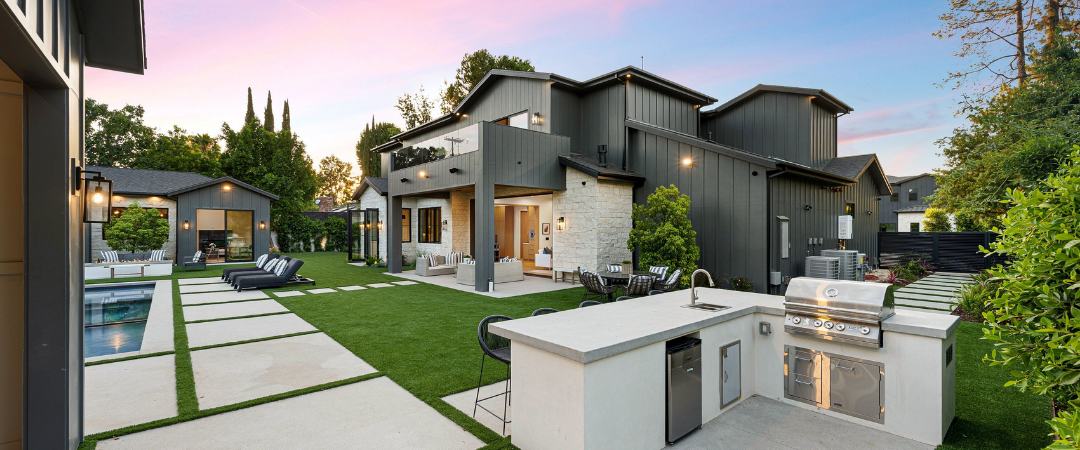
Maintaining Your Outdoor Kitchen Cabinets
While choosing weatherproof cabinets is essential for ensuring longevity, proper maintenance is also key to keeping your outdoor kitchen looking great. Here are a few tips for maintaining your weatherproof outdoor cabinets:
- Clean Regularly: Wipe down cabinets regularly to remove dirt, debris, and stains. For stainless steel, use a non-abrasive cleaner to avoid scratches.
- Seal Wood Cabinets: If you’re using treated wood, make sure to seal and stain it annually to prevent moisture from seeping in.
- Inspect for Damage: Periodically inspect your cabinets for any signs of wear or damage, especially after extreme weather conditions.
- Avoid Harsh Chemicals: When cleaning, avoid harsh chemicals that can degrade the finish of your cabinets.
Conclusion
Choosing the right material for your outdoor kitchen cabinets is crucial for ensuring durability, aesthetics, and low maintenance. Materials like stainless steel, polyethylene, and marine-grade polymer offer the best protection against the elements and can stand the test of time. Whether you prefer a sleek modern look or the warmth of natural wood, there are plenty of options to suit your style and needs. Investing in weatherproof cabinets will not only enhance the functionality of your outdoor kitchen but will also keep it looking beautiful for years to come.
FAQs
‣ What material is best for outdoor kitchen cabinets?
Stainless steel and marine-grade polymer are excellent choices for outdoor kitchen cabinets because they are weather-resistant and durable.
‣ How do I protect wood outdoor cabinets from weather damage?
Pressure-treated wood or naturally resistant woods like cedar and redwood can withstand weather conditions, but they should be sealed and maintained regularly.
‣ Can outdoor kitchen cabinets be made from plastic?
Yes, materials like polyethylene are durable, weatherproof, and resistant to UV damage, making them suitable for outdoor use.
‣ Do marine-grade polymer cabinets fade in the sun?
No, marine-grade polymer is UV resistant and won’t fade or discolor even after prolonged exposure to sunlight.
‣ How long do outdoor kitchen cabinets last?
With proper care and maintenance, outdoor kitchen cabinets made from weather-resistant materials can last for decades.
‣ Are fiberglass outdoor cabinets durable?
Yes, fiberglass is resistant to moisture and UV rays, making it an excellent choice for outdoor kitchens, though it can be scratched easily.
‣ Can outdoor kitchen cabinets withstand rain?
Yes, weatherproof materials like stainless steel, polyethylene, and marine-grade polymer are designed to withstand rain and humidity without rusting or warping.
‣ What’s the best material for coastal climates?
Marine-grade polymer and stainless steel are ideal for coastal climates as they are resistant to saltwater and corrosion.
‣ Can I use regular wood for outdoor kitchen cabinets?
Regular wood may not be the best choice unless it is specially treated for outdoor use, like pressure-treated wood or cedar.
‣ How do I clean outdoor kitchen cabinets?
Regularly wipe down your cabinets with a damp cloth. Use a non-abrasive cleaner for stainless steel to prevent scratches, and seal wood cabinets annually.