
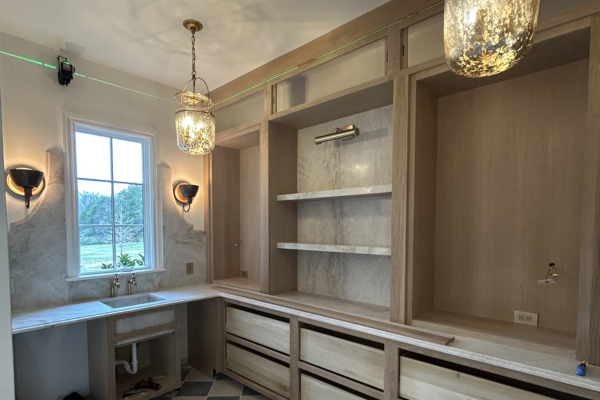
When designing your Lowcountry kitchen, custom cabinets are an essential element that can transform the space into something uniquely yours. Not only do they enhance the visual appeal of your kitchen, but they also provide functional storage solutions that are tailored to your needs. Whether you’re building a new home or renovating your existing kitchen, choosing the right custom cabinets can significantly impact the overall look and feel of your space. Here’s a guide to help you make an informed decision.
Understanding Custom Cabinets and Their Benefits
Custom cabinets are designed to fit your kitchen perfectly. Unlike pre-made cabinets that come in standard sizes, custom cabinets are crafted according to your exact specifications. This ensures a perfect fit for your kitchen’s layout, maximizing both storage and aesthetic appeal. With custom cabinets, you have complete control over materials, finishes, and design details, allowing you to create a personalized look that matches your taste and style.
Custom cabinets are also highly versatile. Whether you’re looking for sleek, modern designs or more traditional, rustic looks, custom cabinetry can accommodate various styles. Plus, they offer superior quality, as they are made with durable materials and expert craftsmanship.
Key Considerations When Choosing Custom Cabinets
Cabinet Design
The design of your custom kitchen cabinets is one of the most important decisions you’ll make. Your design should complement the rest of your kitchen’s décor while also reflecting your personal style. From contemporary to farmhouse to traditional, there are a variety of cabinet styles to choose from.
Incorporating elements such as open shelving, glass-front doors, and unique hardware can add flair to your cabinets. Additionally, consider the layout of your kitchen. For smaller kitchens, opting for cabinets that maximize vertical space can make your kitchen feel more spacious. For larger kitchens, custom cabinets can be designed to incorporate islands, pull-out shelves, or deep drawers that make cooking and storage more convenient.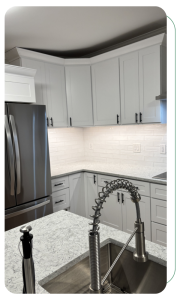
Material Selection
The material you choose for your custom cabinets will impact their durability, appearance, and cost. Wood is the most common material used in custom cabinetry, but there are many options within this category. Popular choices include maple, oak, cherry, and walnut. Each wood type offers unique characteristics in terms of color, texture, and grain pattern, so choose one that complements your kitchen’s overall look.
In addition to wood, there are other materials like MDF (medium-density fiberboard) and plywood, which can also be used for custom cabinets. If you’re looking for a high-end, luxurious finish, you might want to consider a wood veneer or even custom-painted finishes that give your cabinets a unique touch.
Cabinet Hardware
Cabinet hardware, such as handles, knobs, and pulls, can make a big difference in the overall look of your cabinets. When selecting hardware, consider the style and finish that will complement your kitchen’s design. For example, sleek stainless steel pulls can give your cabinets a modern, clean look, while ornate brass knobs can add a vintage charm.
Remember, the functionality of hardware is just as important as its appearance. Choose hardware that is easy to use and durable enough to withstand daily wear and tear.
Finish and Color Options
The finish and color of your custom cabinets will set the tone for the entire kitchen. You can opt for natural wood finishes that highlight the wood’s grain or choose painted finishes for a more polished look. If you prefer a modern, minimalist feel, light finishes like white, gray, or neutral tones work well. For a more traditional or rustic kitchen, deeper hues such as dark walnut, mahogany, or cherry can create a warm, inviting space.
You can also add custom finishes, like distressing or glazing, to create a more personalized and textured look. Discuss your options with your cabinet maker to determine which finish will best complement your kitchen’s design and function.
How to Maximize Storage with Custom Cabinets
One of the greatest advantages of custom cabinets is their ability to be tailored to your storage needs. When planning your custom cabinetry, think about the types of items you need to store and the most efficient ways to organize them. Here are a few tips:
- Deep Drawers: Instead of traditional lower cabinets, opt for deep drawers that can easily store pots, pans, and kitchen tools.
- Pull-Out Shelves: These shelves can be installed inside your cabinets, allowing for easy access to items stored at the back.
- Corner Cabinets: Custom cabinets can be designed with corner lazy Susans or pull-out racks, helping you make the most of often-overlooked spaces.
- Dividers and Organizers: Add dividers for utensils, pull-out trash bins, or specialized racks for spices and condiments.
Cost Considerations for Custom Cabinets
While custom cabinets offer many benefits, they can also be more expensive than pre-manufactured options. The price of your custom cabinets will depend on various factors, including the materials used, the complexity of the design, and the number of cabinets you need. However, investing in high-quality custom cabinetry can add value to your home and provide you with long-lasting functionality.
If you’re on a budget, you can reduce costs by simplifying the design, choosing more affordable materials, or limiting custom features. Keep in mind that custom cabinets are a long-term investment, so it’s essential to find a balance between cost and quality that suits your needs.
Conclusion
Choosing the right custom cabinets for your Lowcountry kitchen is an exciting process that allows you to personalize your space and enhance its functionality. By considering design, materials, hardware, and storage solutions, you can create cabinets that not only fit your kitchen perfectly but also reflect your personal style. Whether you’re renovating or building a new home, custom cabinets are a smart investment that will elevate your kitchen and provide lasting value.
FAQs about Custom Cabinets for Lowcountry Kitchens
‣ What is the difference between custom cabinets and semi-custom cabinets?
Custom cabinets are made to order based on your specifications, while semi-custom cabinets are pre-designed and only available in certain sizes and finishes.
‣ How long does it take to install custom cabinets in a kitchen?
Custom cabinet installation typically takes between 4 to 8 weeks, depending on the complexity of the design and the size of the kitchen.
‣ What are the best materials for custom kitchen cabinets?
Popular materials for custom cabinets include hardwoods like maple, cherry, and oak, as well as plywood and MDF for more affordable options.
‣ Are custom cabinets more expensive than stock cabinets?
Yes, custom cabinets are generally more expensive than stock cabinets, but they offer superior quality and can be designed to fit your exact needs.
‣ How do I maintain my custom cabinets?
To keep your custom cabinets in top condition, clean them regularly with a mild soap solution, avoid abrasive cleaners, and address any repairs or damages promptly.
‣ Can custom cabinets increase the value of my home?
Yes, high-quality custom cabinets can significantly increase the resale value of your home by enhancing both the functionality and aesthetic appeal of your kitchen.
‣ What are the benefits of custom cabinets over stock cabinets?
Custom cabinets provide a perfect fit for your kitchen, more storage options, and the ability to choose materials, finishes, and designs that reflect your personal style.
‣ Can custom cabinets be designed to fit unusual kitchen spaces?
Yes, one of the main advantages of custom cabinets is their ability to fit any kitchen layout, including challenging spaces such as small kitchens or awkward corners.
‣ How can I make my custom cabinets more eco-friendly?
You can opt for sustainable materials like bamboo, use low-VOC finishes, or choose manufacturers that prioritize environmentally-friendly practices.
‣ What types of finishes are available for custom kitchen cabinets?
Custom cabinets can be finished with a variety of options, including natural wood finishes, painted finishes, and custom textures such as distressing or glazing.