
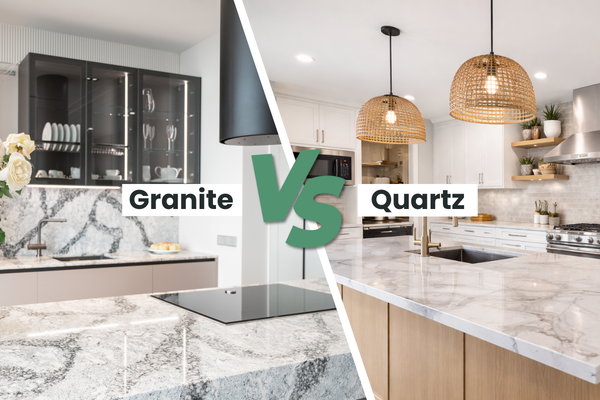
Choosing the right surface for your kitchen is one of the most impactful design decisions you will make. Custom Countertops are not just functional workspaces; they shape how your kitchen looks, feels, and performs every single day. In Charleston homes—where coastal climate, lifestyle, and architectural character all play a role—the debate often comes down to granite countertops versus quartz countertops Charleston homeowners trust for durability and consistency.
Both materials are premium options. Both elevate a kitchen instantly. Yet they behave very differently once installed. This guide walks through those differences clearly and decisively, helping you determine which surface best supports your home, your habits, and your expectations.
Understanding Granite Countertops: Natural Beauty with Character
What Makes Granite Unique
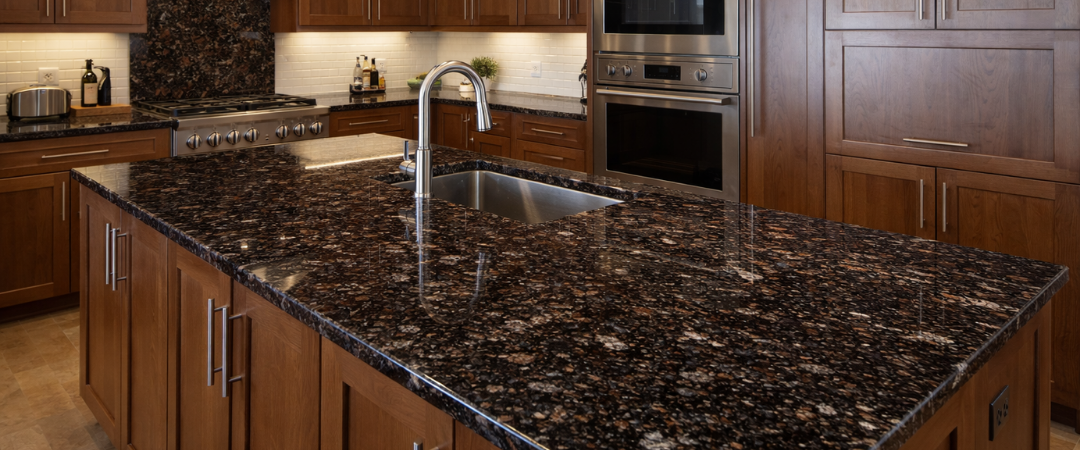
Granite is a natural stone formed deep within the earth over millions of years. Every slab is quarried, cut, and polished, meaning no two granite countertops are ever identical. This natural variation is the defining appeal.
Homeowners who choose granite are often drawn to its organic movement, depth, and individuality. Veining patterns, mineral flecks, and color shifts create a surface that feels alive rather than manufactured.
Performance in a Charleston Climate
Charleston’s warm, humid environment matters when selecting materials. Granite performs well in heat, making it ideal for active kitchens. Hot pots, baking trays, and heavy cookware rarely pose a risk when basic care is followed.
However, granite is naturally porous. Without proper sealing, it can absorb moisture, oils, and spills—an important consideration in coastal homes where humidity is constant.
Granite Pros at a Glance
- Naturally heat resistant
- Unique, one-of-a-kind appearance
- Excellent longevity when maintained
- Adds perceived value to a home
Granite countertops feel substantial and authentic, often pairing beautifully with traditional Charleston architecture, historic renovations, and custom cabinets.
Quartz Countertops in Charleston: Precision, Consistency, and Control
What Quartz Really Is
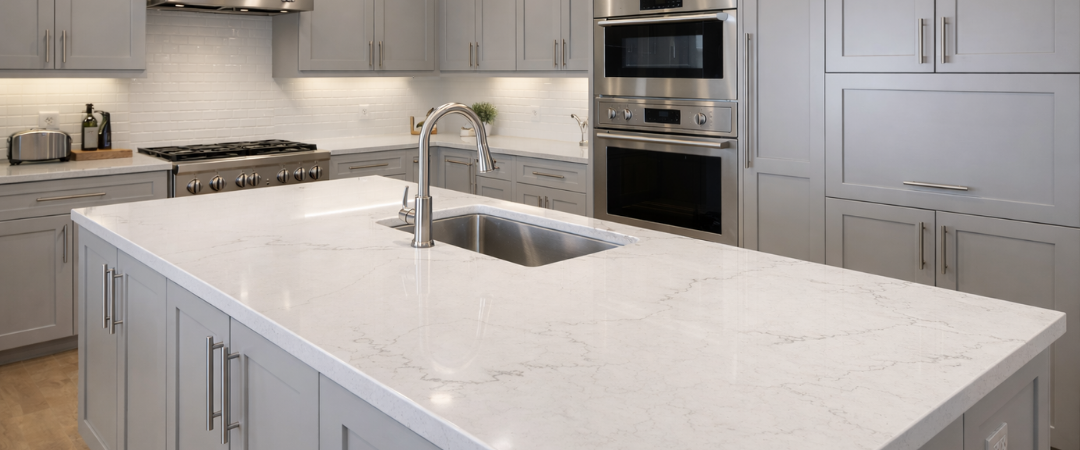
Quartz countertops are engineered stone surfaces made from crushed natural quartz combined with resins and pigments. The result is a surface that offers natural stone strength with controlled design.
This engineered process allows quartz countertops Charleston homeowners install to maintain consistent color, predictable patterns, and uniform performance across every slab.
Why Quartz Excels in Coastal Homes
Quartz is non-porous by design. That single feature dramatically changes how it behaves in humid environments. Moisture, bacteria, and stains stay on the surface rather than seeping in.
For busy households, rental properties, or second homes, quartz offers peace of mind with minimal upkeep.
Quartz Advantages That Matter Daily
- No sealing required
- Highly stain resistant
- Uniform appearance
- Easy cleaning with mild soap
Quartz works especially well in modern kitchens, open-concept homes, and designs where clean lines and consistency matter more than natural variation.
Granite vs Quartz: Kitchen Countertops Compared Side by Side
Durability and Daily Use
Both materials are exceptionally durable, but they fail differently.
- Granite countertops handle heat better but can chip along edges if struck hard.
- Quartz countertops resist chipping and staining but can discolor or warp under extreme heat.
For households that cook frequently with high heat, granite offers a margin of safety. For homes prioritizing low maintenance and resilience to spills, quartz takes the lead.
Maintenance Expectations
This is where most homeowners feel the difference long-term.
- Granite requires periodic sealing to maintain stain resistance.
- Quartz requires no sealing at all.
If maintenance routines tend to get delayed or forgotten, quartz becomes the practical choice.
Aesthetic Control vs Natural Expression
Granite delivers unpredictability—in a good way. Quartz delivers reliability.
- Granite excels when you want natural movement and variation.
- Quartz excels when you want design precision and repeatability.
Neither is objectively better; the right choice depends on how much control you want over the final look.
Kitchen Countertops and Home Value in Charleston
Buyer Perception Matters
In Charleston’s competitive housing market, kitchen countertops often influence first impressions. Both granite and quartz are viewed as premium upgrades for custom countertops, but they speak to different buyer preferences.
- Granite appeals to buyers who value craftsmanship and natural materials.
- Quartz appeals to buyers who prioritize modern living and low maintenance.
Homes that align countertop choice with overall architectural style tend to perform better in resale scenarios.
Longevity as an Investment
Both materials can last decades. The difference is how they age.
- Granite develops subtle patina and character over time.
- Quartz maintains a nearly unchanged appearance year after year.
Neither degrades quickly when properly installed, making both sound long-term investments.
Which Countertop Fits Your Lifestyle Best?
Choose Granite If You Value:
- Natural stone authenticity
- Heat resistance for frequent cooking
- Unique, expressive surfaces
- Traditional or transitional design
Choose Quartz If You Value:
- Minimal maintenance
- Consistent color and pattern
- High stain resistance
- Contemporary or modern kitchens
The best kitchen countertops are the ones that quietly support how you live—without demanding constant attention.
Conclusion
The choice between granite countertops and quartz countertops Charleston homeowners favor is not about right or wrong—it is about alignment. Granite brings natural depth, resilience to heat, and timeless character. Quartz delivers consistency, ease, and reliability in demanding environments.
For kitchens built around craftsmanship and tradition, granite remains unmatched. For homes built around efficiency and modern living, quartz proves its value daily. When the material fits the lifestyle, the kitchen works better—and looks better—for years to come.
Frequently Asked Questions
‣ Are granite countertops harder to maintain than quartz?
Yes. Granite requires periodic sealing, while quartz does not.
‣ Do quartz countertops look natural?
Many modern quartz designs closely resemble natural stone, though patterns are more uniform.
‣ Can granite countertops crack easily?
Granite is very strong, but like any stone, it can chip or crack under heavy impact.
‣ Are quartz countertops safe for food preparation?
Yes. Quartz is non-porous, making it highly hygienic.
‣ Which option is better for humid climates like Charleston?
Quartz performs better against moisture due to its non-porous surface.
‣ Do granite countertops increase home value?
Yes. Granite is widely recognized as a premium material by buyers.
‣ Can you place hot pans directly on quartz?
It is not recommended, as extreme heat can damage the resin binders.
‣ Which countertop lasts longer overall?
Both can last decades when properly installed and cared for.
‣ Are quartz countertops more expensive than granite?
Pricing overlaps significantly and depends on design, thickness, and installation.
‣ Can granite and quartz be repaired if damaged?
Minor chips and cracks can often be repaired professionally for both materials.