
Introduction: The Heart of Your Living Space
Your custom entertainment center isn’t just a piece of furniture—it’s where movie nights happen, game days come alive, and family memories unfold. On Sullivan’s Island, where interior design often blends coastal charm with modern comfort, choosing between a prefab or custom entertainment center can feel like a surprisingly big decision.
Do you go fully personalized—or stick with something ready-made and convenient? Let’s break down both options to help you find the perfect match for your home.
Understanding the Difference Between Custom and Prefab
What Is a Custom Entertainment Center?
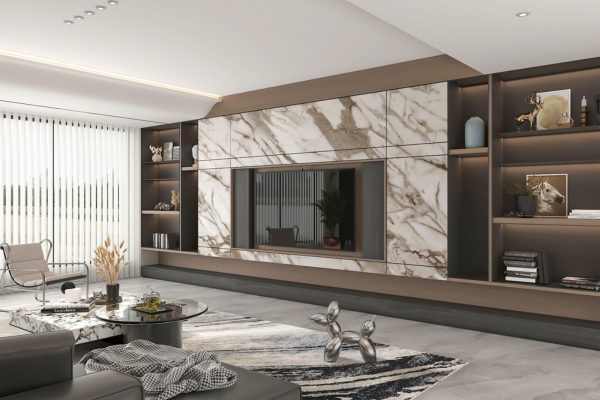
A custom entertainment center is built specifically for your space, your needs, and your personal style. Every detail—from the width of the shelves to the placement of lighting—is tailored just for you. It’s handcrafted, measured to your room, and designed to perfectly match your home’s look.
What Is a Prefab Entertainment Center?
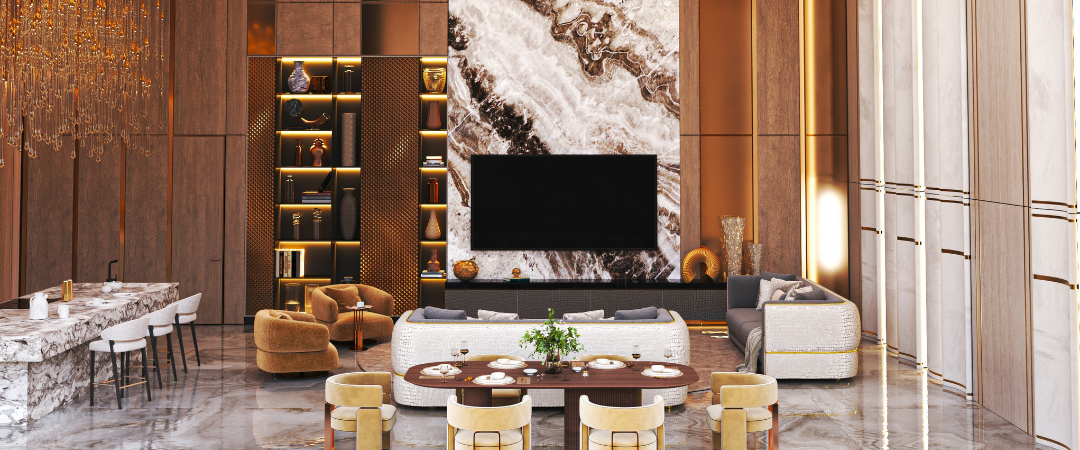
Prefab units are mass-produced entertainment centers you can buy online or at furniture stores. They come in standard dimensions, preset colors, and predetermined configurations. What you see is what you get—no custom changes, no modifications.
Benefits of a Custom Entertainment Center
Perfect Fit for Any Space
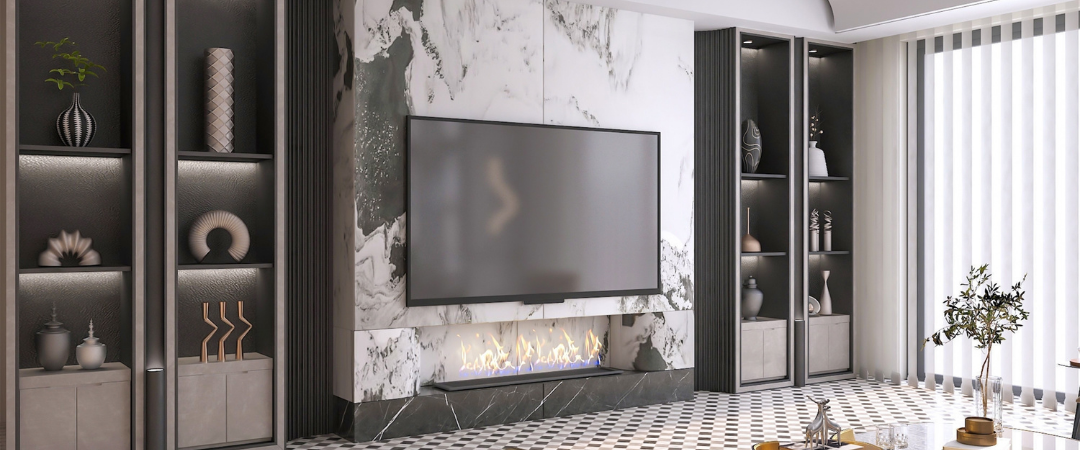
Sullivan’s Island homes aren’t always cookie-cutter. Many have unique layouts, angled walls, and coastal architecture that makes standard furniture feel out of place. A custom entertainment center is built to fit perfectly—no awkward gaps, no wasted corners.
Personalized Style and Function
Want hidden storage for gaming systems? Built-in lighting for displays? A design that matches your home’s coastal theme?
With custom construction, your imagination is the limit. You’re not adapting to the furniture—the furniture adapts to you.
High-Quality, Long-Lasting Craftsmanship
Prefab units are often made with particleboard or thin veneers. Custom entertainment centers, on the other hand, use solid wood, premium hardware, and durable finishes built to withstand years of use—and Sullivan’s Island humidity.
You’re investing in something that lasts.
Seamless Integration With Home Architecture
Custom cabinetry blends beautifully with the rest of your built-ins, molding, and trim. Instead of a random piece of furniture, it becomes part of your home’s architecture—elevating your entire living space.
Drawbacks of a Custom Entertainment Center
Higher Upfront Cost
Custom work costs more because you’re paying for labor, design, craftsmanship, and premium materials. If you’re on a tight budget, this may feel like a stretch.
Longer Production and Installation Time
Handcrafted work takes time—anywhere from a few weeks to a couple of months depending on complexity.
Requires Clear Design Direction
If you don’t know exactly what you want, the design phase may feel overwhelming. Working with an experienced local cabinet maker makes this much easier.
Benefits of a Prefab Entertainment Center
Budget-Friendly Option
Prefab entertainment centers are typically cheaper because they’re mass-produced. If you want something functional and decent-looking without spending too much, prefab works.
Quick Delivery and Setup
Need something right now? Prefab units can usually be picked up or delivered quickly. Assembly ranges from simple to moderately complex—but everything comes ready-made.
Predictable Designs and Configurations
If you like knowing exactly what you’ll get before you buy, prefab is straightforward. No design meetings, no measurements—just pick a style and go.
Drawbacks of a Prefab Entertainment Center
Limited Size and Style Choices
Prefab furniture is designed for standard spaces. If your room has odd dimensions, beams, built-ins, or unique features, prefab may look forced or undersized.
Lower Durability and Materials
Many prefab units are made with MDF or engineered wood that can warp, sag, or chip over time—especially in high-moisture coastal environments like Sullivan’s Island.
May Not Fit Sullivan’s Island Coastal Aesthetic
Coastal design leans toward natural woods, airy tones, and built-in looks. Prefab often clashes with the clean, custom-feel interiors common in Island homes.
Key Factors to Consider for Sullivan’s Island Homes
Salt Air, Humidity, and Material Quality
Coastal humidity can affect furniture over time, so materials matter.
- Solid hardwood or marine-grade finishes last longest.
- Prefab pieces often deteriorate faster near the coast.
Your Home’s Layout and Architecture
Many island homes feature:
- Open floor plans
- Shiplap or coastal trim
- Built-in shelving
- Narrow or unique wall spaces
These architectural elements often favor custom work.
Lifestyle and Storage Needs
Think about how you actually use your custom entertainment center:
- Lots of family games?
- Streaming equipment?
- Sound system or speakers?
- Kids’ storage needs?
Custom storage solves real-life problems in your home.
Design Trends for Entertainment Centers in Sullivan’s Island
Coastal Minimalist Aesthetic
Clean lines, natural textures, and light finishes are trending. Think airy spaces with minimal clutter—custom units make this look easy.
Built-In Lighting and Tech Integration
LED strips, recessed lighting, and cable management systems are popular. Custom builds hide the technology so the design stays clean.
Natural Wood and Earth Tones
White oak, driftwood tones, grays, and soft whites reflect the beach-inspired vibe of homes across the island.
Cost Comparison: Custom vs Prefab
Cost Ranges Explained
- Custom entertainment centers: $4,000–$15,000+
- Prefab entertainment centers: $300–$2,500
Size, features, built-ins, lighting, and materials all influence the price.
Long-Term Value vs Upfront Savings
Prefab may save money now, but custom often wins long-term:
- Higher resale value
- Longer lifespan
- Better durability
- More functional storage
Think of custom as a home upgrade—not just a furniture purchase.
Which Option Is Right for You?
When Custom Is the Best Choice
Choose custom if you:
- Have an irregular or unique space
- Want a built-in look
- Prefer high-end craftsmanship
- Need specific storage features
- Want something that lasts 10–20 years
This option is especially ideal for luxury homes on Sullivan’s Island.
When Prefab Makes More Sense
Prefab works well if you:
- Need something affordable
- Want a quick solution
- Live in a rental
- Prefer a simple, minimalist look
- Don’t need long-term durability
How a Local Sullivan’s Island Cabinetry Specialist Can Help
Local Expertise in Coastal Design
A local craftsman understands how humidity, salt air, and coastal architecture influence cabinetry. They know which materials last and which to avoid.
Tailored Recommendations and On-Site Measurements
They’ll take precise measurements, learn your lifestyle, and design a piece that looks like it was always meant to be there.
Conclusion
Choosing between a prefab and custom entertainment center comes down to your lifestyle, budget, and how long you want the piece to last. Sullivan’s Island homes have a unique coastal character, and custom designs often complement that style beautifully. But if you need something fast and affordable, prefab can still get the job done.
Think about the room you’re creating—not just the furniture you’re buying. When your custom entertainment center fits your space and your life, everything just feels easier and more enjoyable.
FAQs about Entertainment centers in Sullivan’s Island
‣ Are custom entertainment centers worth the investment?
Yes—especially in coastal homes where durability and fit matter. They last longer, look better, and add resale value.
‣ Can prefab entertainment centers handle coastal humidity?
Some can, but many prefab materials warp or swell over time. Always check the material quality before buying.
‣ How long does a custom entertainment center take to build?
Most projects take 3–8 weeks depending on the size, materials, and design complexity.
‣ Can a custom entertainment center hide cords and electronics?
Absolutely. Custom designs can include hidden cable channels, ventilation, and built-in power management.
‣ What style works best for Sullivan’s Island homes?
Coastal-inspired designs using natural wood tones, white finishes, and built-in shelving are the most popular.