
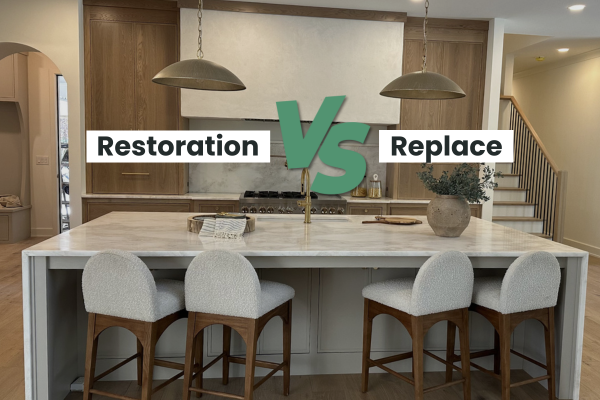
When it comes to damaged countertops, homeowners are often faced with the dilemma of whether to restore or replace them. Both options have their pros and cons, and the decision ultimately depends on the condition of the countertops, the budget, and the desired aesthetic. This article will help guide you through the process of deciding between countertop restoration and replacement, while providing you with practical tips to help you make the best choice for your home.
What is Countertop Restoration?
Countertop restoration refers to the process of repairing and refinishing an existing countertop to restore its appearance and functionality. This can involve a variety of methods, such as resurfacing, polishing, sealing, and repairing cracks or chips. Restoration is often a cost-effective solution for countertops that are still structurally sound but show signs of wear and tear.
The Benefits of Countertop Restoration
- Cost-Effective: Restoring your countertop is typically much cheaper than replacing it entirely. The materials and labor involved in restoration are generally less expensive, making it a budget-friendly option for homeowners.
- Preserves the Existing Countertop: If you’re happy with the size, shape, and layout of your current countertop, restoration allows you to keep these features while improving the overall appearance.
- Environmentally Friendly: By choosing to restore your countertop instead of replacing it, you’re reducing waste and helping the environment by extending the lifespan of your materials.
When is Countertop Restoration the Right Choice?
Countertop restoration is the ideal solution when the countertop is still in good structural condition, but its surface has been damaged or worn over time. This could include minor scratches, stains, chips, or dullness. If the countertop is made of a material that can be easily refinished or repaired (such as granite, quartz, or laminate), restoration is a feasible option.
What is Countertop Replacement?
Countertop replacement, on the other hand, involves completely removing the existing countertop and installing a brand-new one. This can be a major home improvement project that requires professional installation and a higher investment. Replacement is often the best choice when the countertop is severely damaged or outdated, or when you want to completely transform the look of your kitchen or bathroom.
The Benefits of Countertop Replacement
- Complete Transformation: Replacing your countertops allows you to choose a brand-new material, color, and style that better matches your current design preferences and lifestyle.
- Increased Value: Installing new countertops can significantly increase the resale value of your home, especially if you choose high-end materials such as marble, granite, or quartz.
- Long-Term Durability: A new countertop offers the benefit of a fresh start. With proper care, a new countertop can last for years without showing significant signs of wear.
When is Countertop Replacement the Right Choice?
If your countertop has major cracks, deep stains, or large sections that are beyond repair, it may be time for a full replacement. Additionally, if your countertop is made from outdated materials that are no longer available or in style (such as laminate or formica), replacement allows you to modernize your space with a fresh, high-quality material.
How to Decide Between Restoration and Replacement
Choosing whether to restore or replace your countertop depends on several factors, including the extent of the damage, your budget, and your long-term goals for the space. Consider the following when making your decision:
1. Assess the Damage
Start by evaluating the extent of the damage. Minor chips, scratches, or stains can often be repaired through restoration methods. However, if the countertop has structural issues, such as large cracks or deep dents, replacement may be necessary to ensure the safety and functionality of the surface.
2. Consider the Cost
Restoring a countertop is typically much cheaper than replacing it. If you’re on a tight budget and the damage is minimal, restoration can save you money while still improving the look of your countertops. On the other hand, if you’re willing to invest in a high-end material and a complete kitchen or bathroom makeover, replacement may be the best option.
3. Think About Your Long-Term Plans
If you plan to stay in your home for many years, investing in a new countertop may be worth the higher upfront cost. New countertops can increase your home’s value and provide long-term durability. However, if you’re planning to sell in the near future, restoration may be a more cost-effective solution that adds value without breaking the bank.
4. Evaluate the Material
Different countertop materials have varying degrees of repairability. For example, granite and quartz can often be restored with polishing and resurfacing, while materials like laminate or solid surface may require replacement due to limited repair options. Consider the material of your existing countertop when deciding between restoration and replacement.
The Countertop Restoration Process
If you’ve decided that restoration is the way to go, here’s an overview of the typical process:
- Cleaning: The first step is to thoroughly clean the surface to remove dirt, grease, and stains.
- Repairs: Cracks, chips, and other imperfections are filled and smoothed out.
- Resurfacing: A new surface layer is applied to the countertop, often using a resin or epoxy, to restore the shine and color.
- Sealing: A protective sealant is applied to prevent further damage and ensure long-lasting results.
- Polishing: The final step involves buffing the surface to a high shine, making the countertop look as good as new.
The Countertop Replacement Process
If you’ve opted for replacement, here’s what you can expect:
- Removal of the Old Countertop: The existing countertop is carefully removed, including any fixtures, such as sinks or stoves.
- Preparation of the Space: The cabinets and surrounding areas are prepared for the new countertop installation.
- Template and Fabrication: A template of the countertop is made to ensure a precise fit, and the new material is fabricated according to the design.
- Installation: The new countertop is installed, and any necessary adjustments are made for a perfect fit.
- Finishing Touches: Any seams are sealed, and the countertop is cleaned and polished.
Conclusion
Both countertop restoration and replacement have their merits, but the right choice ultimately depends on the damage to your existing surface, your budget, and your long-term goals. If you’re looking for a cost-effective solution and the damage is minimal, restoration is the way to go. However, if you’re seeking a complete transformation or if the countertop is beyond repair, replacement may be the better option. Whatever you decide, both options can breathe new life into your kitchen or bathroom, making it a more functional and aesthetically pleasing space.
FAQs
‣ How much does countertop restoration typically cost?
Countertop restoration can cost anywhere from $200 to $1,500, depending on the material and the extent of the damage.
‣ Is countertop restoration a DIY project?
While some minor repairs can be done by homeowners, it’s recommended to hire a professional for the best results, especially for resurfacing or sealing.
‣ How long do restored countertops last?
Restored countertops can last anywhere from 5 to 10 years, depending on the quality of the restoration and how well the surface is maintained.
‣ Can all countertop materials be restored?
Most materials like granite, quartz, and laminate can be restored, but solid surfaces like Corian may not be as easy to repair.
‣ Is replacing a countertop worth the investment?
Replacing a countertop can be a good investment if you’re looking for a long-term solution or upgrading to a more modern material.
‣ What is the best countertop material for durability?
Granite, quartz, and concrete are some of the most durable countertop materials, offering both longevity and resistance to damage.
‣ Can I replace just one section of my countertop?
Yes, if the damage is localized to one section, it’s possible to replace only that part of the countertop.
‣ How do I maintain a restored countertop?
Regular cleaning, sealing, and avoiding harsh chemicals will help maintain the appearance and functionality of a restored countertop.
‣ How long does it take to replace a countertop?
Countertop replacement typically takes 2 to 3 days, including removal, fabrication, and installation.
‣ Can I choose any material for my new countertop?
Yes, when replacing a countertop, you can choose from a wide range of materials, including granite, quartz, marble, and more.