
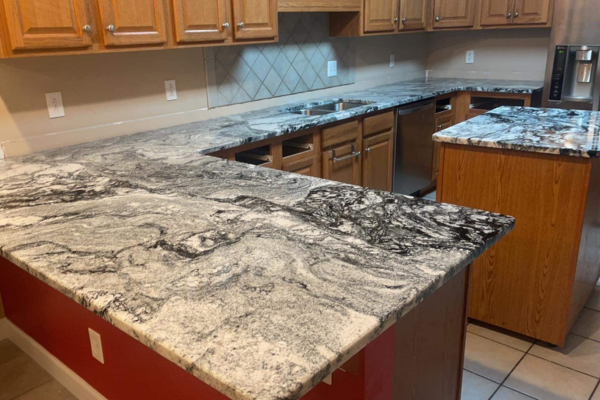
If you live in Mt Pleasant, you already know your home takes a beating from the coastal environment — and your granite countertops are no exception. Over time, salt air, humidity, spills, and daily use can make even the most beautiful granite lose its shine. The good news? With professional countertop restoration, your granite can look brand-new again — sometimes even better than when it was installed.
In this in-depth guide, we’ll break down everything you need to know about granite countertop restoration in Mt Pleasant, including signs you need it, the countertop restoration process, maintenance tips, and how to choose the right expert.
Why Granite Restoration Matters for Mt Pleasant Homeowners
Granite is one of the strongest natural stones on Earth — but even the strongest materials wear down when exposed to harsh conditions year after year.
Salt Air, Sun, and Moisture: The Coastal Impact
Living near the ocean is a dream, but it’s also a challenge for household materials. Granite absorbs tiny amounts of moisture and minerals over time. Salt in the air settles onto the stone, creating a cloudy appearance. UV rays from daily sunlight can fade certain sealants, making the surface more vulnerable.
Daily Wear and Tear in Busy Lowcountry Kitchens
Mt Pleasant kitchens stay active — family gatherings, seafood cooking nights, weekend hosting, and sandy hands from the beach. Over time, this leads to scratches, staining, and dull spots that need professional attention.
Signs Your Granite Countertop Needs Restoration
If you’re not sure whether your granite needs help, look for these common warning signs.
Etching and Dull Spots
Etching is the enemy of shine. Acids like lemon juice, vinegar, wine, and cleaners can slowly erode the surface polish, leaving the granite looking hazy.
Chips, Cracks, and Rough Edges
Granite is strong — but not invincible. Dropped pans or heavy objects can create small chips, which only get worse with time.
Stains That Won’t Come Out
Granite is porous. If it’s not sealed regularly, stains sink deeply into the stone and become impossible to remove with typical cleaners.
Water Rings and Haze
Do your countertops have spots from cups or a cloudy film that never goes away? That’s a clear sign your sealant has worn off.
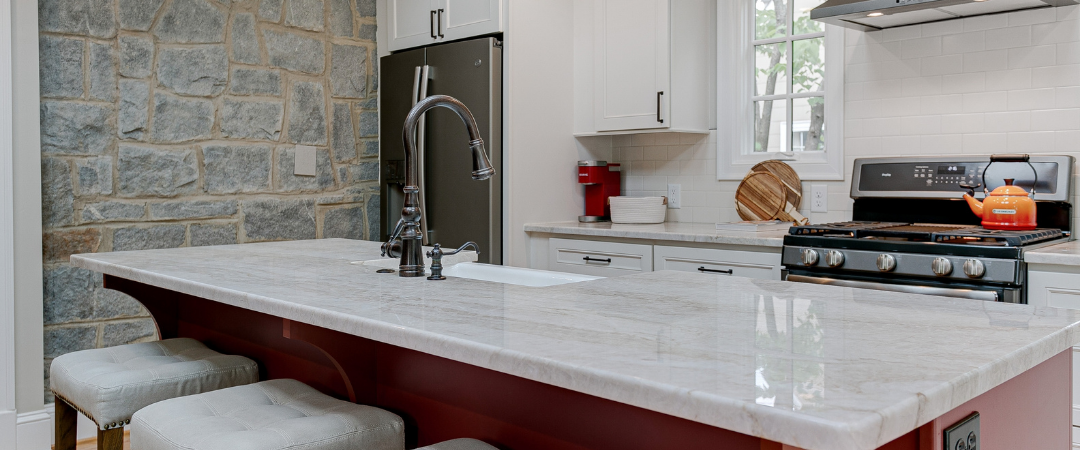
What Professional Countertop Restoration Includes
Professional countertop restoration is more than just cleaning — it’s a full rejuvenation process that brings out the natural beauty of your stone.
Deep Cleaning and Surface Prep
Experts use industrial-grade cleaners and tools to remove built-up grime, oil, minerals, and food residue.
Grinding and Honing
For deeper damage, technicians use diamond abrasives to smooth scratches, remove etching, and restore the stone’s natural surface.
Polishing to a Mirror-Like Shine
Once honed, the granite is polished using progressively finer grits until the surface gleams.
Sealing for Long-Term Protection
A high-quality sealant is applied to protect the granite from stains, moisture, and bacteria — especially important in coastal climates.
Repairs: Chips, Pits, and Structural Fixes
Professionals can fill chips, repair cracks, and blend the repaired areas seamlessly with the rest of the stone.
Granite Restoration vs. Replacement: Which Is Better?
Here’s the truth: most granite can be restored beautifully without needing a full replacement.
Cost Comparison
- Restoration: Typically affordable and cost-effective
- Replacement: Can cost thousands and requires demolition
Time and Convenience
Countertop restoration usually takes hours, not days. Replacement can take weeks, including ordering new slabs.
Environmental Impact
Restoring your existing stone reduces waste and keeps perfectly good material out of landfills.
Benefits of Restoring Your Granite Countertops
Revives Natural Color and Depth
Granite is known for its rich color and bold patterns. Restoration brings those colors back to life.
Extends the Lifespan of Your Countertops
Just like waxing your car, proper care and countertop restoration keep your granite protected and beautiful for years.
Boosts Property Value and Home Appeal
Fresh, glossy countertops instantly upgrade your kitchen and can even make your home more appealing to buyers.
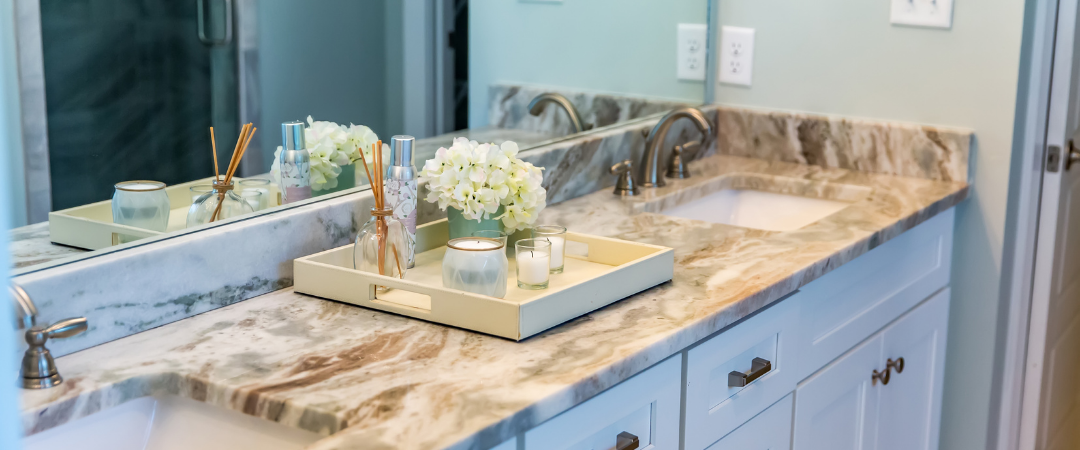
Why Mt Pleasant Homes Need Regular Resealing
The Coastal Climate Effect
Salt, sand, humidity, and sun all weaken granite sealants faster than in inland homes.
How Often Should Granite Be Sealed?
For Mt Pleasant residents, sealing once per year is ideal — sometimes twice if your kitchen gets heavy use.
How the Restoration Process Works (Step-by-Step)
Knowing the process helps you understand what to expect during service.
Step 1: Inspection and Assessment
A technician evaluates the stone, identifying stains, etching, chips, and dull spots.
Step 2: Repair and Surface Correction
Cracks are filled, pits are repaired, and the surface is honed smooth.
Step 3: Polish and Finish
The granite is polished in layers until it reaches your desired sheen — matte, semi-gloss, or high gloss.
Step 4: Final Seal and Protection
The finished surface is sealed to prevent future damage and make cleaning easier.
DIY vs. Professional Granite Restoration
When DIY Might Work
- Light cleaning
- Simple polishing with safe products
- Basic resealing
When to Call a Pro
- Deep stains
- Etching
- Chips or cracks
- Uneven shine
- Cloudy or damaged sealant
Risks of Going DIY
Using the wrong product can permanently damage granite. Acidic cleaners, abrasive sponges, and low-quality sealants often make things worse.
How to Maintain Your Granite After Restoration
Daily Cleaning Tips
- Use pH-neutral stone cleaners
- Wipe spills quickly
- Use soft cloths instead of abrasive pads
What to Avoid on Granite Surfaces
- Vinegar
- Bleach
- Ammonia
- Harsh scrubbing tools
- Oil-based polishes
Recommended Sealant Schedules
Stone in coastal environments should be sealed annually for optimal protection.
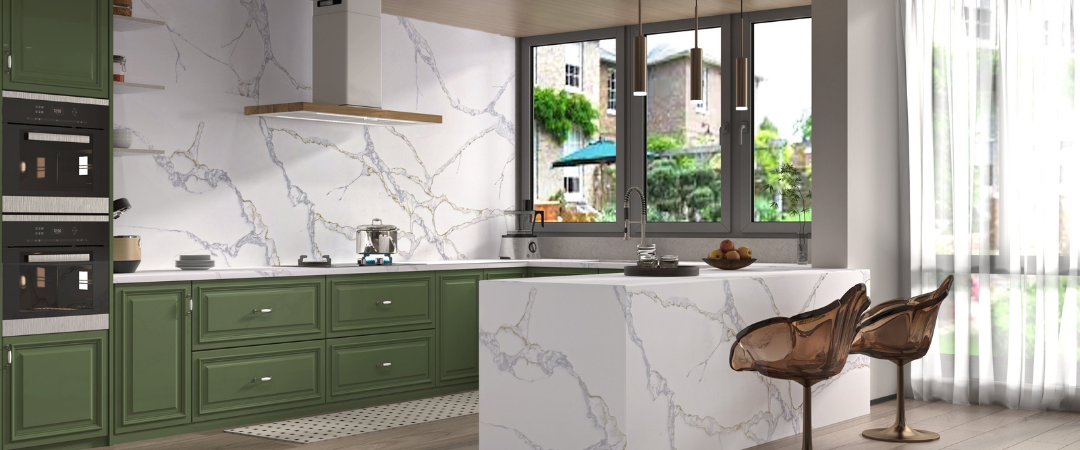
Choosing the Right Granite Restoration Company in Mt Pleasant
Experience and Certifications
Look for specialists with training in countertop restoration and a track record of successful projects.
Local Knowledge of Coastal Stone Care
Mt Pleasant granite needs different care than granite in dry climates — hire someone familiar with this.
Customer Reviews and Portfolio
A reputable company will have before-and-after photos, reviews, and testimonials.
Conclusion
Granite countertops are one of the most beautiful features of any Mt Pleasant home — but they need the right care to stay that way. With professional countertop restoration, you can revive dull surfaces, remove stains, repair chips, and bring back the natural shine that makes granite so stunning. Whether your stone is lightly worn or heavily weathered from coastal living, countertop restoration is the fastest, most cost-effective way to bring your granite back to life.
FAQs about Countertops Restoration
‣ How long does granite countertop restoration take?
Most projects are completed within a few hours, though more damaged countertops may take a full day.
‣ Can all granite be restored?
Yes — in most cases. Even heavily etched or scratched granite can be restored with honing and polishing.
‣ Will restoration remove deep stains?
Professionals can usually eliminate or significantly reduce stains using specialized poultices and tools.
‣ How often should I reseal my granite in Mt Pleasant?
Once per year is ideal due to the coastal environment, but high-use kitchens may need resealing twice annually.
‣ Is restoration cheaper than replacing countertops?
Absolutely. Countertop restoration is a fraction of the cost of replacement and delivers dramatic results.