
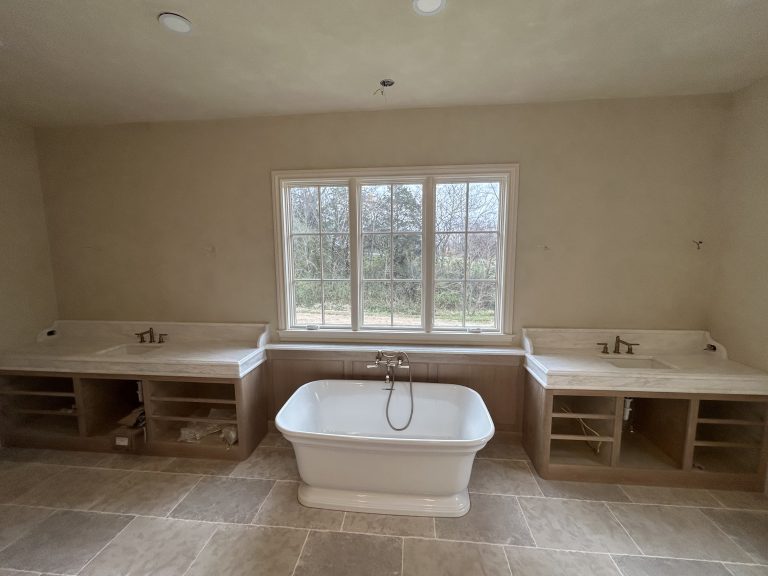
When it comes to designing your bathroom, choosing the right countertop material is crucial. Your bathroom countertop faces various challenges, from moisture to heat and daily use. Ensuring that your bathroom countertop can withstand these factors is vital for both the functionality and aesthetics of your space. In this article, we’ll explore the best bathroom countertops for handling humidity, heat, and daily wear and tear, while providing you with practical insights to make the best choice for your bathroom.
Choosing the Right Material for Bathroom Countertops
One of the most important considerations when selecting a bathroom countertop is durability. Your bathroom countertop must endure the wear and tear of daily use, high moisture levels, and exposure to heat. Moisture-resistant countertops are essential in the bathroom environment to prevent damage from water spills, humidity, and condensation.
1. Quartz Countertops: The Ultimate in Durability
When it comes to bathroom countertops that can withstand high humidity and heat, quartz is a top contender. Quartz is an engineered stone that combines natural stone particles with resins, creating a durable, non-porous surface. Unlike granite or marble, quartz does not need to be sealed regularly, making it incredibly low maintenance.
Advantages of Quartz Countertops:
- Moisture Resistance: Quartz is highly resistant to moisture, which makes it ideal for bathrooms where water spills and humidity levels are high.
- Heat Resistance: While quartz is heat resistant, it is advisable not to place hot objects directly on it, as extreme heat can still cause damage over time.
- Durability: Quartz is one of the most durable materials for bathroom countertops, with resistance to scratches and stains, making it an excellent choice for busy bathrooms.
2. Granite Countertops: Classic Beauty and Durability
Granite is a natural stone that adds a luxurious, timeless look to any bathroom. Its dense, tough surface makes it resistant to scratches, heat, and moisture. However, granite is porous, so it requires regular sealing to maintain its moisture resistance.
Advantages of Granite Countertops:
- Natural Look: Each granite slab is unique, offering a one-of-a-kind aesthetic that can complement various bathroom styles.
- Heat Resistance: Granite can withstand high heat without warping or cracking, making it ideal for those who prefer to use the countertop for hot tools or styling appliances.
- Moisture Resistance: With proper sealing, granite can effectively resist moisture, preventing water damage in the bathroom.
3. Solid Surface Countertops: Seamless and Practical
Solid surface countertops are an excellent option for bathrooms that experience frequent moisture exposure. These countertops are made from acrylic and polyester resins, which provide a seamless and non-porous surface. Solid surface materials like Corian and Swanstone are known for their resistance to staining, scratching, and moisture absorption.
Advantages of Solid Surface Countertops:
- Seamless Appearance: Solid surface countertops are installed without seams, preventing water from seeping into joints.
- Moisture Resistance: Solid surface materials are highly resistant to moisture, making them perfect for bathrooms where high humidity is common.
- Easy Maintenance: These countertops are easy to clean and maintain, with no need for sealing like granite or marble.
4. Marble Countertops: Elegant, But Requires Care
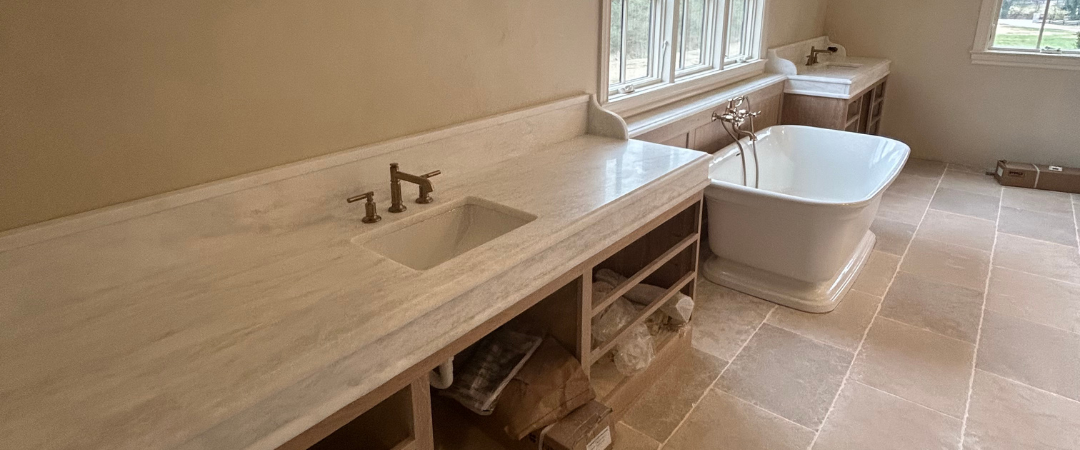
Marble is a classic and elegant countertop material that adds a touch of luxury to any bathroom. However, it is porous and can be prone to staining and scratching. While it offers heat resistance, marble countertops must be sealed regularly to prevent moisture damage. 
Advantages of Marble Countertops:
- Aesthetic Appeal: Marble countertops bring a refined, sophisticated look to your bathroom with their natural veining and classic appearance.
- Heat Resistance: Marble can handle high temperatures, making it ideal for those who use hot styling tools or other heat-related bathroom appliances.
- Timeless Beauty: Marble never goes out of style and is perfect for those looking for an upscale, traditional bathroom look.
What to Consider When Choosing Your Bathroom Countertop
When deciding which material is best for your bathroom countertop, several factors should be taken into account. From how much maintenance you’re willing to perform to the overall style of your bathroom, each material offers distinct advantages.
5. Maintenance and Longevity
Maintenance plays a significant role in the lifespan of your bathroom countertop. If you prefer low-maintenance options, quartz and solid surface materials are ideal, as they don’t require sealing or constant upkeep. Granite, while durable, requires regular sealing to keep moisture at bay, while marble needs more care to prevent staining and scratching.
6. Budget Considerations
Cost is another important factor in selecting your bathroom countertop. Quartz and solid surface countertops tend to be more affordable than granite or marble. However, if you’re looking for a luxury option and are willing to invest in long-term durability, granite or marble may be worth the investment.
7. Aesthetic Preferences
The visual appeal of your bathroom countertop is an essential aspect of your bathroom’s overall look. If you’re aiming for a modern, sleek design, quartz or solid surface countertops are great options, as they offer clean lines and a variety of color choices. Granite and marble, on the other hand, bring natural elegance with unique textures and patterns.
Conclusion
Choosing the right bathroom countertop material is essential to ensure longevity, functionality, and aesthetic appeal. Quartz and solid surface countertops are highly durable, moisture-resistant, and low-maintenance, making them ideal for high-humidity bathrooms. Granite offers timeless beauty and heat resistance, while marble brings elegance but requires more maintenance. With the right material, your bathroom countertop will handle humidity, heat, and daily use with ease, giving your space a stylish and practical finish.
FAQs About Bathroom Countertops
‣ What is the most moisture-resistant bathroom countertop material?
Quartz and solid surface countertops are the best options for moisture resistance.
‣ Are granite countertops heat-resistant?
Yes, granite can withstand high heat, but it’s still recommended to avoid placing hot items directly on the surface.
‣ Do I need to seal my marble countertop?
Yes, marble countertops need to be sealed regularly to protect them from moisture and stains.
‣ How do I clean quartz countertops?
Quartz countertops can be cleaned with mild soap and water. Avoid using harsh chemicals.
‣ Is granite or quartz better for a bathroom countertop?
Both are excellent options, but quartz requires less maintenance, while granite offers a more natural stone look.
‣ Can solid surface countertops be repaired if damaged?
Yes, solid surface countertops can be sanded or buffed to remove minor damage.
‣ What is the lifespan of a quartz countertop?
Quartz countertops can last for decades with proper care.
‣ Can I use marble for a bathroom countertop?
Yes, marble can be used, but it requires regular sealing and care to prevent damage from moisture and stains.
‣ Are solid surface countertops a good choice for small bathrooms?
Yes, solid surface countertops are seamless and can be customized to fit small spaces perfectly.
‣ How do I maintain the beauty of my bathroom countertop?
Regular cleaning, sealing (for granite and marble), and avoiding harsh chemicals will help maintain the beauty and longevity of your bathroom countertop.