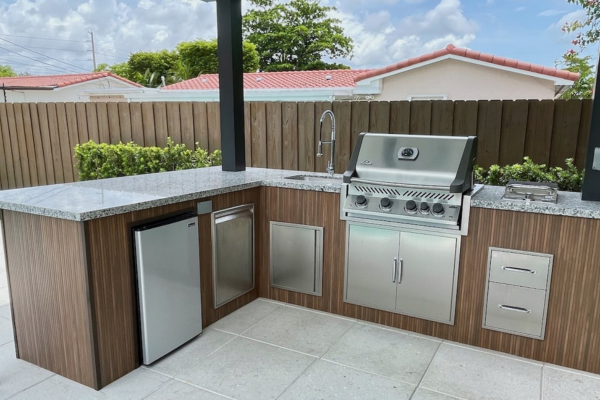
Custom Outdoor kitchens have become a must-have feature for many Sullivan’s Island homeowners—and it’s easy to see why. Between warm coastal evenings, casual cookouts, and year-round grilling, an outdoor kitchen seamlessly extends your living space into the backyard. However, not all countertop materials are built to survive outdoor conditions. Selecting the wrong surface can lead to fading, cracking, or constant maintenance headaches.
To help you make the right choice, let’s explore the best countertop materials for custom outdoor kitchens in Sullivan’s Island—focusing on durability, performance, and long-term value.
Why Choosing the Right Outdoor Countertop Matters
A custom outdoor kitchen countertop does far more than support food prep and serving. It must withstand sun exposure, heavy humidity, rain, heat, salt air, and shifting temperatures—while still maintaining its appearance and structural integrity.
Outdoor Kitchens vs Indoor Kitchens: Key Differences
Indoor countertops are protected from the elements. Outdoor countertops are not. Constant exposure to moisture, UV rays, and temperature swings means material performance matters far more outside than it does indoors.
Climate Considerations in Sullivan’s Island
The coastal environment of Sullivan’s Island brings high humidity, intense sunlight, salt in the air, and frequent rainfall. Any countertop material you choose must resist moisture absorption, UV damage, and thermal stress to avoid premature wear.
What to Look for in an Outdoor Kitchen Countertop
A countertop may look great in a showroom, but outdoor performance is what truly counts.
| Aspect | Description |
|---|---|
| Weather Resistance | Given the amount of rainfall and moisture in the area, your countertop should repel water effectively to prevent staining, cracking, and mold growth. |
| Heat and UV Protection | Between direct sunlight and high grill temperatures, outdoor countertops must resist heat damage, fading, and discoloration over time. |
| Maintenance and Longevity | Some materials require regular sealing or upkeep, while others are nearly maintenance-free. Understanding this upfront helps avoid surprises later. |
| Budget vs Long-Term Value | Lower-cost materials may seem appealing initially, but frequent repairs or replacements can make them more expensive in the long run. |
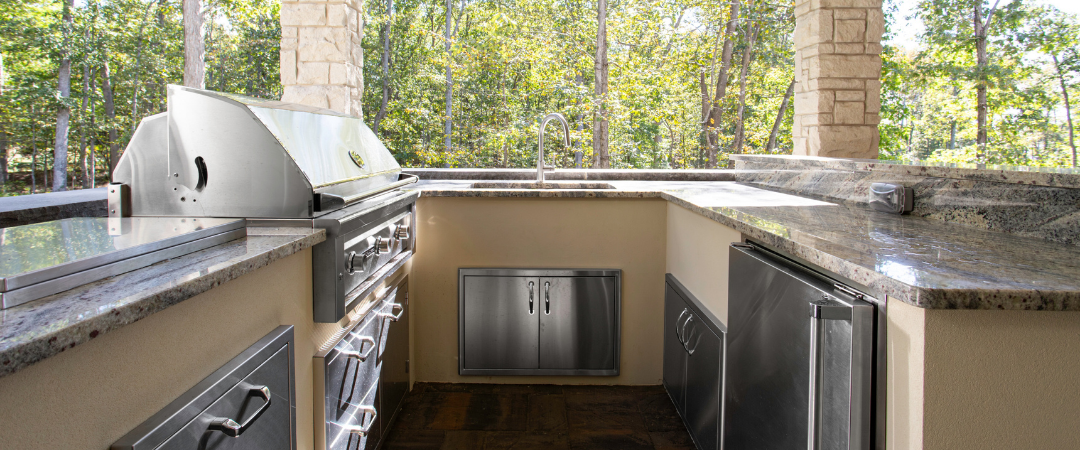
Granite Countertops for Outdoor Kitchens
Granite remains one of the most popular and reliable choices for custom outdoor kitchen countertops.
Why Granite Performs Well Outdoors
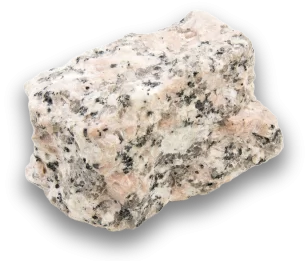
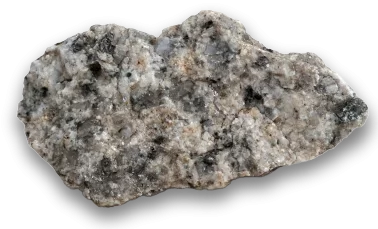
Formed under intense natural heat and pressure, granite is inherently resistant to heat, scratches, and UV exposure—making it well-suited for outdoor use.
Pros and Cons of Granite in Coastal Areas
| Pros | Cons |
|---|---|
| Highly durable and long-lasting | Requires routine sealing |
| Handles direct sun and heat effectively | Lighter-colored granites may be more prone to staining if neglected |
| Available in a wide variety of natural colors |
Best Granite Finishes for Outdoor Use
Honed and leathered finishes are ideal outdoors because they reduce glare and conceal water spots better than polished surfaces.
Quartzite: A Premium Natural Stone Option
Quartzite is often mistaken for quartz, but the two materials are very different—especially when it comes to outdoor performance.
Quartzite vs Granite Outdoors
Quartzite is frequently harder than granite, offering exceptional durability. If granite is rugged, quartzite is built for extreme conditions.
Durability and Aesthetic Appeal
With striking natural veining and outstanding strength, quartzite is an excellent choice for upscale outdoor kitchens that prioritize both beauty and resilience.
Concrete Countertops for Outdoor Kitchens
Concrete countertops offer unmatched versatility and customization.
Customization and Design Flexibility
Concrete can be tinted, textured, and shaped to fit virtually any design. Embedded aggregates, custom edges, and integrated features are all possible.
Maintenance Requirements
Proper sealing is essential. When maintained correctly, concrete performs well outdoors, but skipping routine care can lead to stains and surface wear.
Porcelain Slab Countertops
Porcelain slabs are quickly becoming a favorite for contemporary outdoor kitchens.
Modern Look with Extreme Durability
Porcelain is engineered to resist UV rays, heat, moisture, and stains. It maintains its appearance even under harsh weather conditions.
Ideal Use Cases for Porcelain Outdoors
Porcelain is an excellent option for homeowners who want a clean, modern look with minimal ongoing maintenance.
Soapstone and Other Natural Stone Options
Soapstone delivers a distinct, timeless aesthetic with solid outdoor performance.
Unique Appearance and Performance
It naturally darkens over time and handles heat well, though it is softer and more prone to scratching than granite or quartzite.
Countertop Materials to Avoid Outdoors
Not all countertop materials are suitable for exterior environments.
Why Quartz Isn’t Outdoor-Friendly
Quartz contains resin binders that break down under UV exposure. While it performs well indoors, prolonged sunlight can cause fading, cracking, and warping outdoors.
Cost Comparison of Outdoor Countertop Materials
| Outdoor Countertop Material | Estimated Cost Range |
|---|---|
| Granite | Moderate |
| Quartzite | Higher |
| Concrete | Variable |
| Porcelain | Mid to High |
| Soapstone | Moderate to High |
Final pricing depends on material thickness, finish selection, fabrication details, and installation complexity.
Choosing the Best Countertop for Your Lifestyle
If you host frequently, prioritize durability and stain resistance. If you prefer minimal maintenance, porcelain is hard to beat. For natural beauty and proven performance, granite and quartzite remain top choices.
Professional Installation Matters
Outdoor countertops require proper structural support, drainage planning, sealing techniques, and expansion allowances. Professional installation ensures your countertop performs reliably for years—not just a few seasons.
Conclusion
Selecting the best countertop materials for custom outdoor kitchens in Sullivan’s Island goes beyond aesthetics—it’s about choosing surfaces that can handle real-world conditions. Granite, quartzite, concrete, and porcelain each bring distinct advantages based on maintenance expectations, design goals, and budget. Choose carefully, invest in professional installation, and your outdoor kitchen will remain functional and beautiful in every season.
Sullivan’s Island Residentes Most Frequently Asked Questions
‣ What is the most durable outdoor kitchen countertop material?
Quartzite and porcelain rank among the most durable options due to their resistance to heat, moisture, and UV exposure.
‣ Is granite good for outdoor kitchens in coastal areas?
Yes. When properly sealed and maintained, granite performs very well in coastal climates like Sullivan’s Island.
‣ Can I use quartz countertops outdoors?
No. Quartz is not recommended for outdoor applications because UV exposure damages its resin content.
‣ How often do outdoor countertops need sealing?
Granite and concrete typically require sealing once per year, depending on exposure levels and usage.
‣ What is the lowest-maintenance outdoor countertop option?
Porcelain slabs require minimal upkeep and do not need sealing, making them one of the easiest materials to maintain outdoors.